Tooth enamel erosion
Quick answer
What causes tooth enamel erosion and how can I reduce it?
Tooth erosion is gradual loss of tooth surface from repeated acid exposure, such as acidic drinks or stomach acid from reflux or vomiting.
It differs from decay, which involves acids produced by plaque bacteria. Reduce how often teeth encounter acid and ask a dentist to assess suspected wear; lost enamel does not grow back.
How is erosion different from tooth decay?
Erosion is chemical wear from acids that come directly from food, drinks or the stomach. Tooth decay is driven by acids produced when plaque bacteria process sugars. Both can affect enamel and may occur together, but the cause and prevention plan can differ.
The government’s tooth-wear guidance discusses dietary acids, reflux, medications and reduced saliva as factors clinicians may consider.
What signs might a dentist assess?
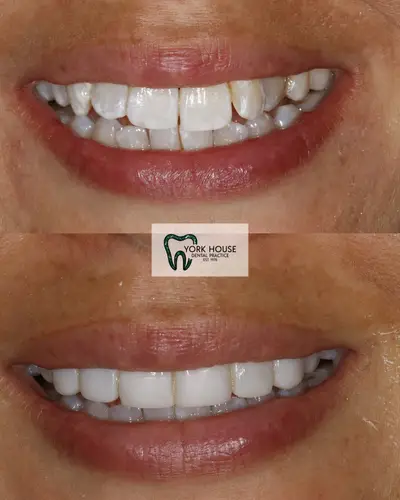
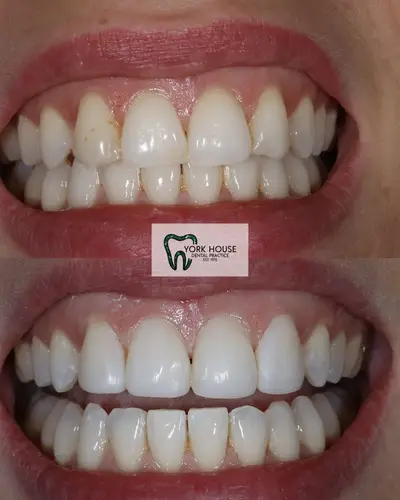
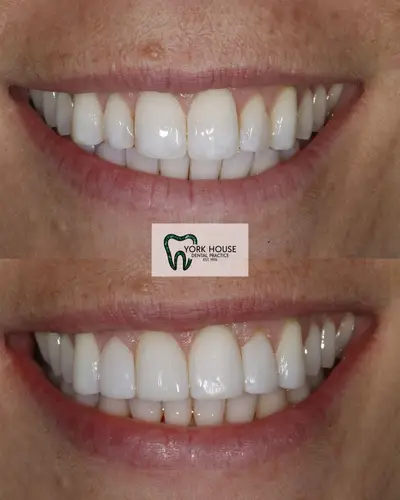
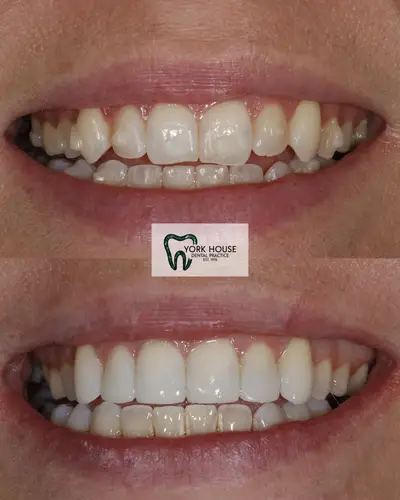
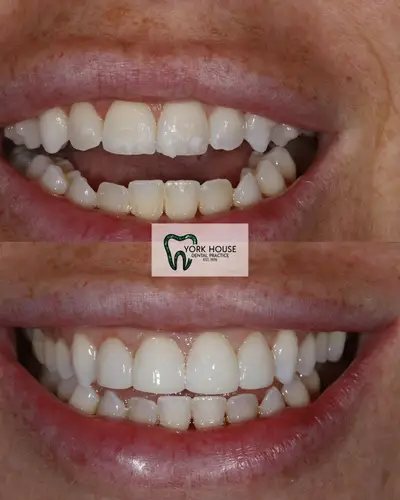
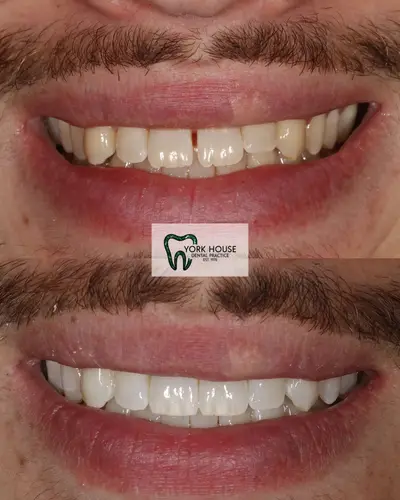
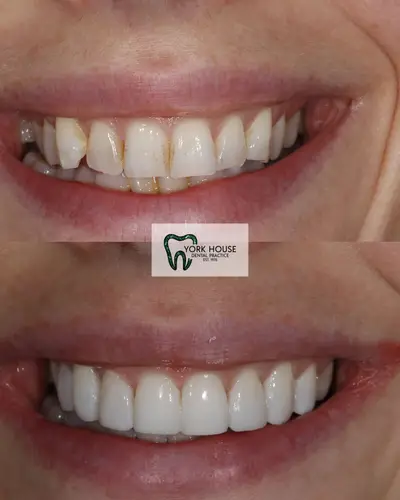
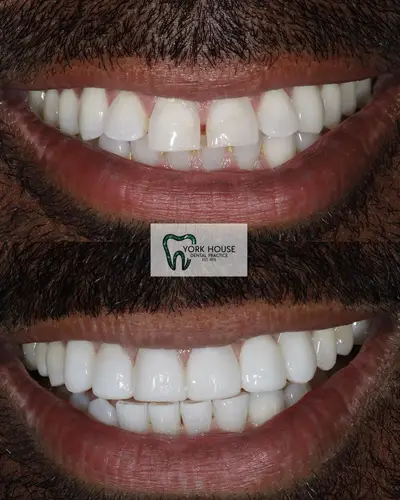
Wear may make teeth look thinner, smoother, shorter or more yellow as the underlying dentine becomes more visible. Some people notice sensitivity, while others have no symptoms. Appearance alone cannot confirm erosion, so a dental examination is needed to assess the pattern and likely causes.
How can you reduce further acid-related wear?
If acidic food or drinks are a factor, reduce how often you have them and keep them to mealtimes rather than sipping or swishing them throughout the day. Water or milk are less erosive choices between meals. If reflux or repeated vomiting may be involved, speak with your GP as well as your dentist. Avoid highly abrasive products and ask before changing to a specialist toothpaste.
A dentist can monitor wear and discuss options based on its cause and severity. The aim is to protect remaining tooth tissue and address the risk factors, rather than promise that lost enamel can be restored.
Care at York House Dental Practice
Welcoming new patients, families and emergency appointments from West Byfleet, Woking, Weybridge, and across Surrey.